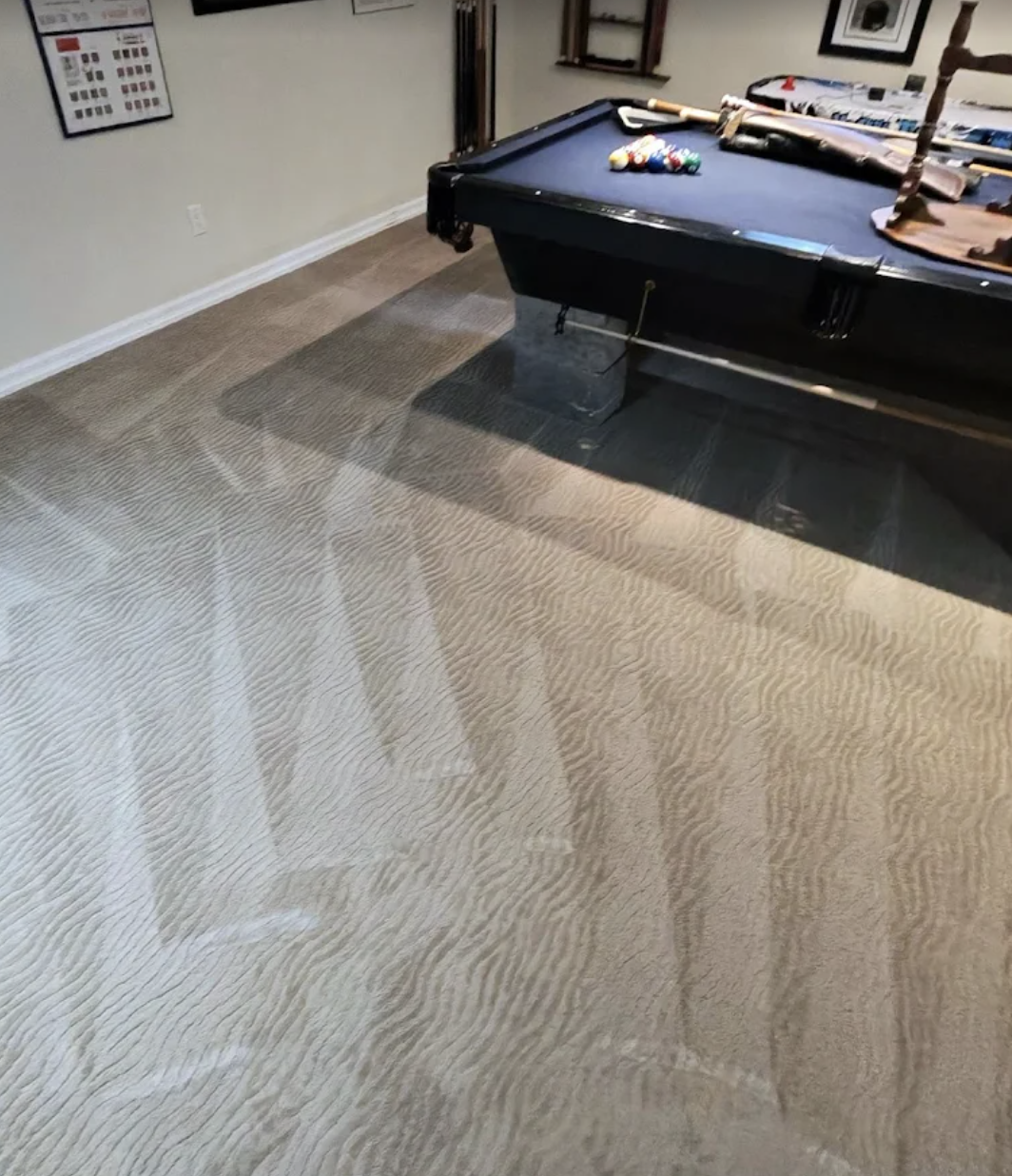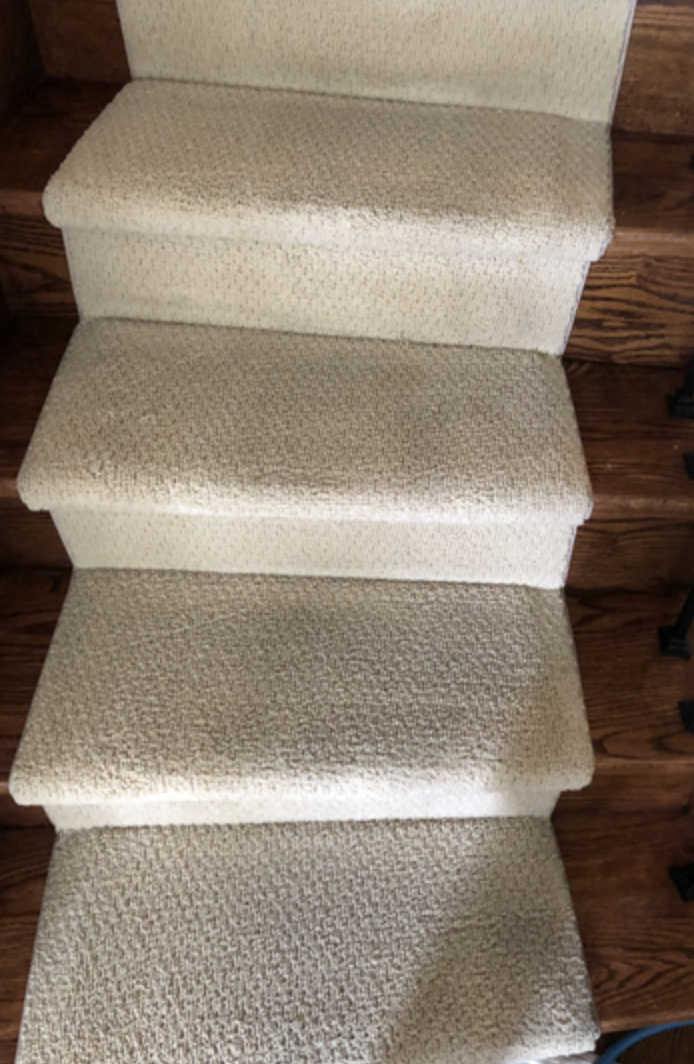
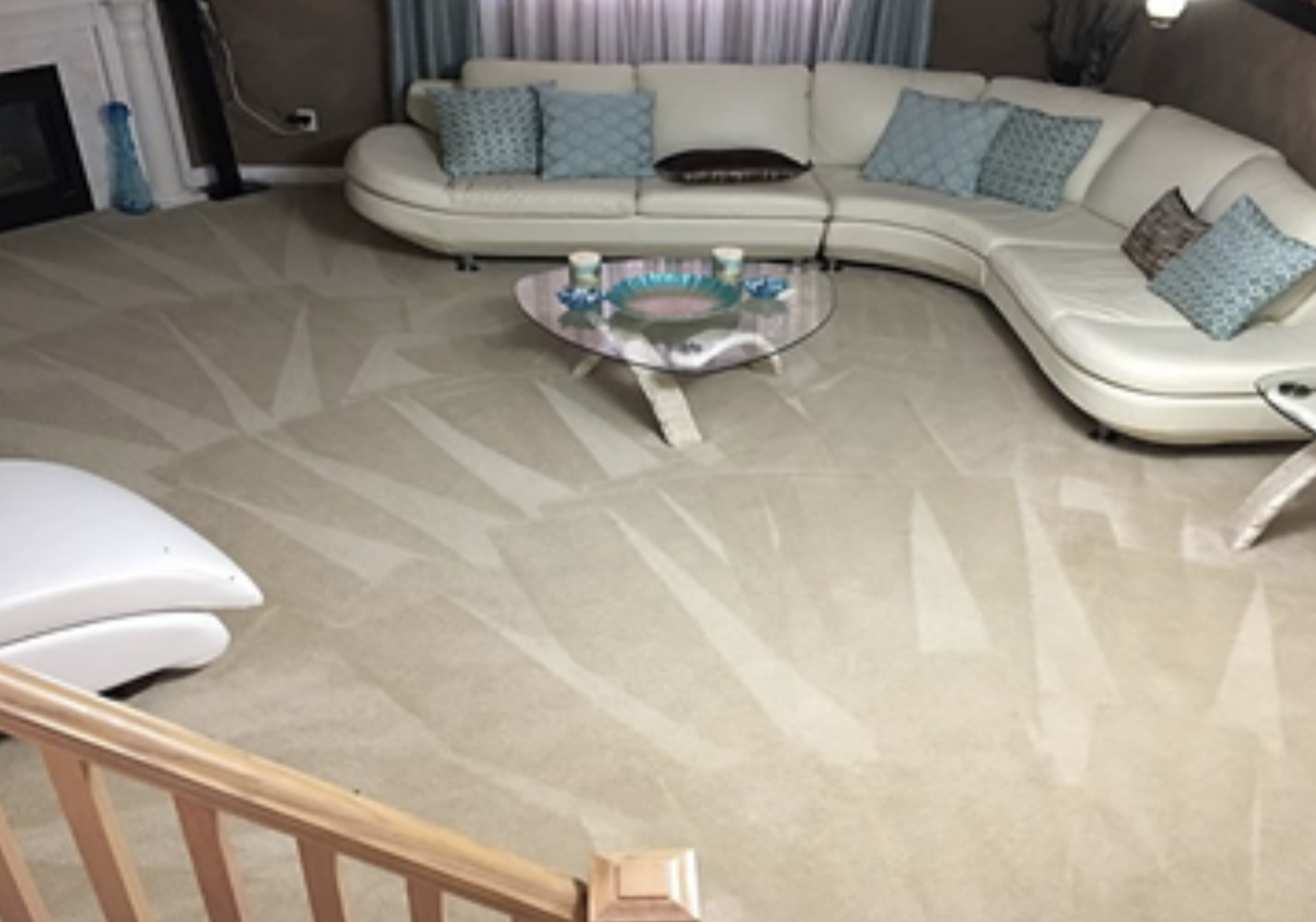
Your carpet is the largest air filter in your Hannon home — and when it's loaded, every step releases trapped pollutants back into the air. Here's how cleaning fixes it.
Your Carpet Is a Filter — and Filters Load Up
Carpet does something useful that hard floors don't: it traps airborne particulate — dust, pollen, pet dander, skin cells, and the microscopic debris that floats through every home — and holds it in the pile rather than letting it recirculate. That's why carpeted rooms often have lower airborne dust counts than hard-floor rooms in the hours after activity settles. But that filtering capacity is finite. Once the pile loads up, every footstep releases a portion of that trapped load back into the air, and the carpet becomes a source rather than a sink.
For Hannon homeowners, that dynamic plays out over months. Rural living means more tracked-in soil, pollen, and agricultural dust. Homes with pets add dander and the fine particulate that comes with it. And through the sealed-house months, the same air recirculates through the carpet repeatedly, loading it steadily. The result is a carpet that looks fine but is quietly degrading the air your family breathes.
What Gets Trapped and Why It Matters
The trapped load includes more than visible dust. Dust mites and their waste proteins are among the most common indoor allergens, and they live in carpet pile where they feed on shed skin cells. Pollen that drifts in through open windows and doors settles into the fibers and persists long after outdoor counts drop. Pet dander is sticky and binds to fibers, releasing gradually. And in homes near fields and open land, fine particulate from outdoor activity makes its way in and accumulates.
For anyone with asthma, seasonal allergies, or respiratory sensitivity, that trapped load is a constant low-level trigger. The symptoms — morning congestion, itchy eyes, a lingering cough — often improve noticeably after a proper carpet cleaning, because the source has been removed rather than just managed. It's not a coincidence that so many Hannon families report breathing easier in the weeks after a professional extraction.
Why Hot Water Extraction Is the Right Method
Surface cleaning methods — dry foam, encapsulation, brushing — address visible soil but don't flush the deep-trapped particulate out of the pile and backing. Hot water extraction does. Heated water under pressure penetrates into the pile, dissolves the bonded soils and allergens, and the simultaneous vacuum extracts them completely out of the carpet. The heat also reaches temperatures that kill dust mites and neutralize microbial contamination, which surface methods cannot achieve.
The extraction is the key. Without it, the dissolved contamination redeposits or wicks back as the carpet dries. With it, the allergens and particulate leave the home entirely — in our wastewater, not your air. For Hannon households serious about indoor air quality, that's the difference between a cosmetic refresh and a genuine health-benefit clean.
Maintaining Air Quality Between Cleanings
Between professional visits, a few habits keep the carpet's filtering capacity working. Regular vacuuming with a HEPA-filtered machine removes the loose surface load before it works deeper into the pile. Addressing spills and pet accidents promptly prevents the organic contamination that feeds mites and bacteria. Using entryway mats captures the majority of tracked-in soil before it reaches the carpet. And managing indoor humidity — neither too damp (which favors mites) nor too dry (which increases airborne dust) — keeps the environment balanced.
If your Hannon home is due for a proper deep clean — or if allergy symptoms have been worse than usual — a free estimate is the right starting point. We'll assess the carpet, identify high-load areas, and recommend the right approach. For many families, a single extraction visit is the change that finally makes the home feel genuinely fresh, and the air-quality benefit lasts for months. It's one of the most overlooked, highest-impact steps toward a healthier home.